
Sidemount Diving for Recreational Divers
Sidemount diving is often associated with cave and technical diving, but in recent years it has also become increasingly popular among recreational divers.
Originally developed for navigating tight cave passages, sidemount places cylinders alongside the diver rather than behind the back. This configuration can offer several advantages, including improved equipment accessibility, flexibility in cylinder management, and a streamlined underwater profile.
For recreational divers curious about sidemount diving, understanding how the system works and what training may be required is an important first step.
What Is Sidemount Diving
Why Some Recreational Divers Choose Sidemount
Challenges of Sidemount for Recreational Divers
Training for Sidemount Diving
Equipment Considerations
Developing Good Sidemount Diving Habits
Frequently Asked Questions
What Is Sidemount Diving?
In traditional scuba diving, cylinders are mounted on the diver’s back using a backplate or BCD.
Sidemount diving positions cylinders along the diver’s sides. Each cylinder is managed independently, allowing divers to monitor gas supply and equipment more directly during the dive. This configuration changes how the diver interacts with the equipment and how buoyancy and trim are maintained underwater.
Divers interested in the fundamentals of sidemount systems can explore the Complete Guide to Sidemount Diving Configuration for a deeper overview.
Why Some Recreational Divers Choose Sidemount
Many divers become interested in sidemount because of the unique advantages it can offer.
Some of the most commonly cited benefits include:
Improved equipment accessibility
Valves and regulators remain visible and within reach throughout the dive.
Greater flexibility
Cylinders can be handled individually, making it easier to enter or exit the water in certain environments.
Streamlined profile
When properly configured, sidemount systems can create a very streamlined diver profile that moves efficiently through the water.
Challenges of Sidemount for Recreational Divers
While sidemount offers advantages, it also introduces some additional considerations. Because cylinders are managed independently, sidemount divers must learn how to:
- balance gas consumption between cylinders
- maintain trim as buoyancy changes during the dive
- configure equipment properly
Without proper configuration, sidemount systems can feel awkward or unstable underwater. Understanding how trim and cylinder position work together is an important part of developing a comfortable sidemount setup.
Training for Sidemount Diving
Most divers begin learning sidemount through a specialized training course. A sidemount instructor can help divers understand how the equipment is configured and how the system behaves underwater. Proper instruction can make a significant difference in how quickly divers become comfortable with the configuration.
If you are considering training, you may find it helpful to read How to Choose a Sidemount Instructor, which discusses factors to consider when selecting an instructor.
Equipment Considerations
Sidemount equipment differs from traditional scuba setups in several ways.
Divers typically use:
- sidemount harness systems
- independent cylinders
- specialized hose routing
Each of these elements influences how the system behaves underwater.
Articles such as How to Choose Sidemount Cylinders and How to Choose Proper Hose Lengths explore some of the equipment considerations involved in building a sidemount configuration.
Developing Good Sidemount Habits
Like any diving configuration, sidemount becomes easier and more intuitive with experience. Divers who spend time refining their equipment setup often find that the system becomes increasingly comfortable and streamlined. Understanding the principles of sidemount configuration, including cylinder alignment, trim, and gas management, helps divers refine their setup over time.
For a broader overview of how these elements work together, see the Complete Guide to Sidemount Diving Configuration.
Frequently Asked Questions About Sidemount Diving
Can recreational divers dive sidemount?
Yes. Many recreational divers take sidemount training courses and use the configuration for open water diving.
Is sidemount harder than backmount?
Sidemount introduces some additional equipment management considerations, but many divers find it comfortable once they become familiar with the configuration.
Do recreational divers need special training for sidemount?
Most training organizations recommend completing a sidemount course to learn how to configure the equipment and manage gas properly.
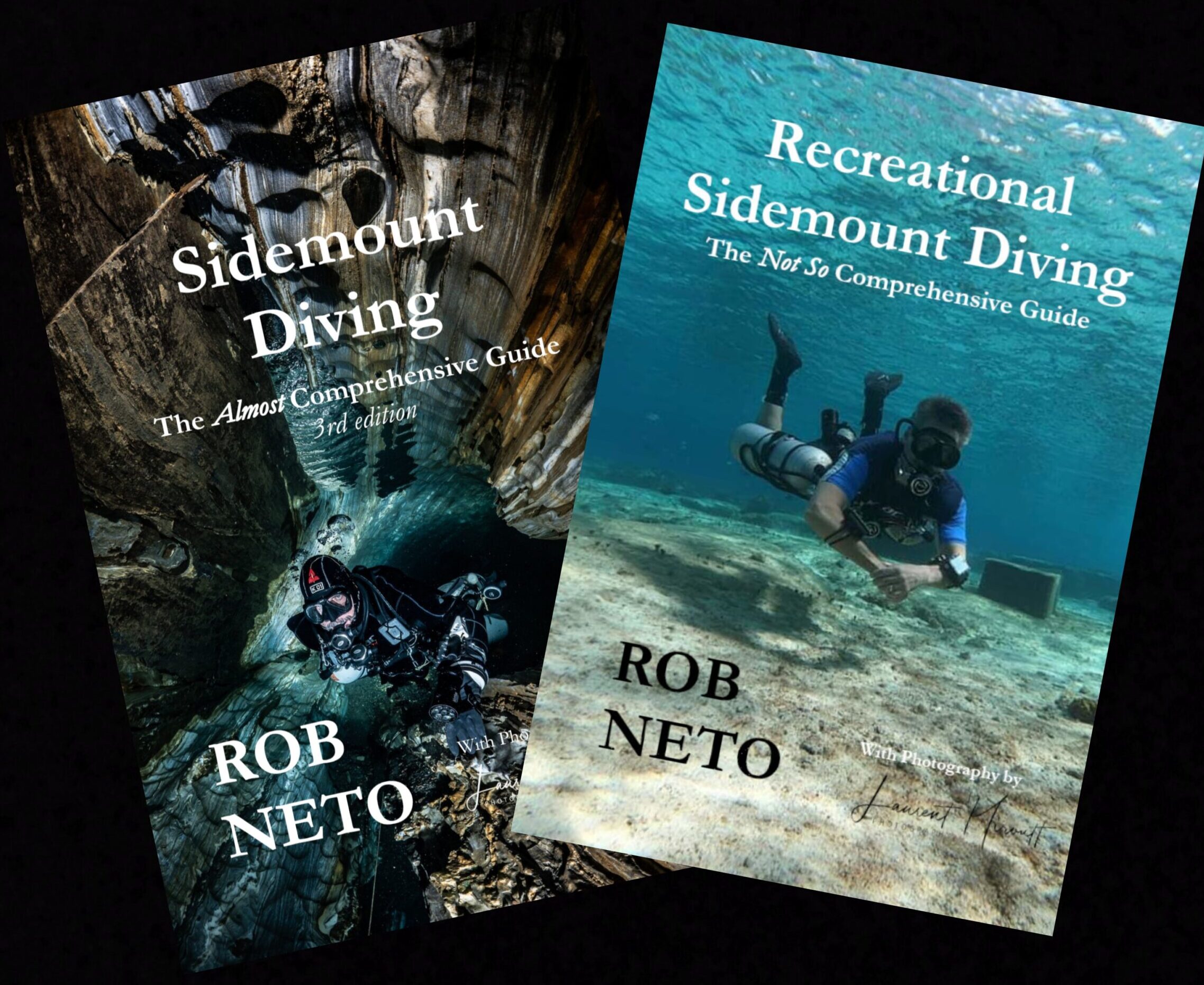
If you found this article helpful, you can receive $5 off the book Recreational Sidemount Diving when purchasing directly from the website.
Use code RECREATIONAL5 for the Recreational Sidemount Diving Guide during checkout.
Related Articles
How to Choose a Sidemount Instructor
Return to The Complete Guide to Sidemount Diving Configuration