Sidemount Diving Trim: Photos Showing Proper and Improper Cylinder Position
One of the easiest ways to evaluate a sidemount configuration is by observing cylinder position underwater.
When a sidemount system is properly configured, cylinders remain aligned with the diver’s body and maintain a streamlined profile in the water. When configuration problems exist, cylinders often drift out of position, hang below the diver, or create unnecessary drag.
The following photos illustrate examples of both proper sidemount trim and common trim problems. By comparing these examples, divers can better understand how configuration affects cylinder alignment and overall streamlining.
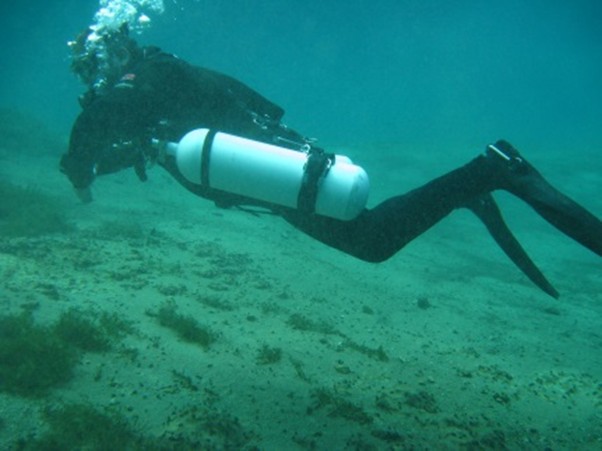
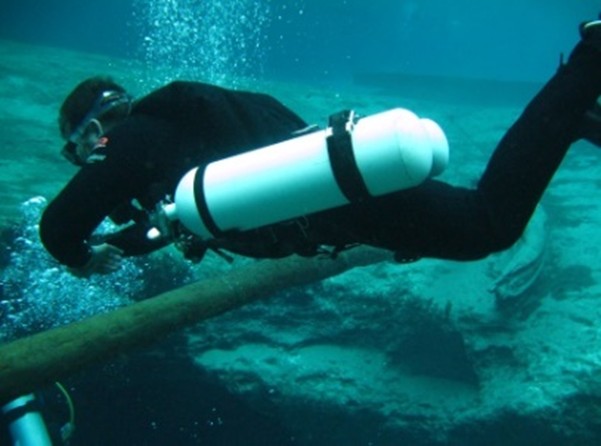
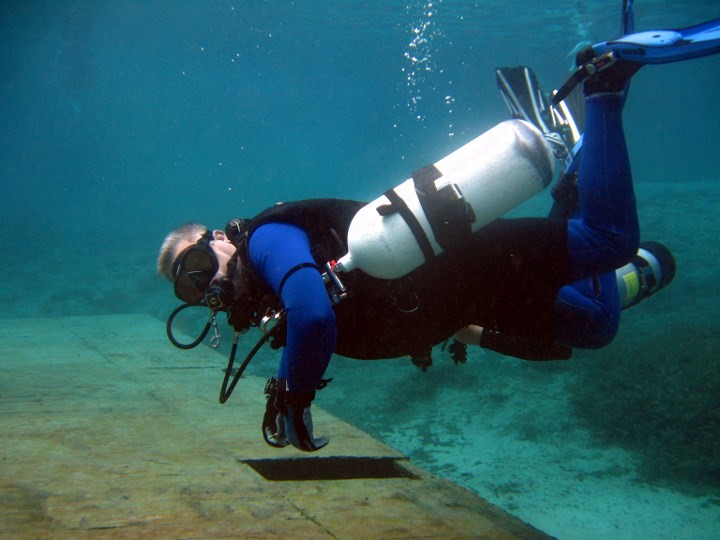
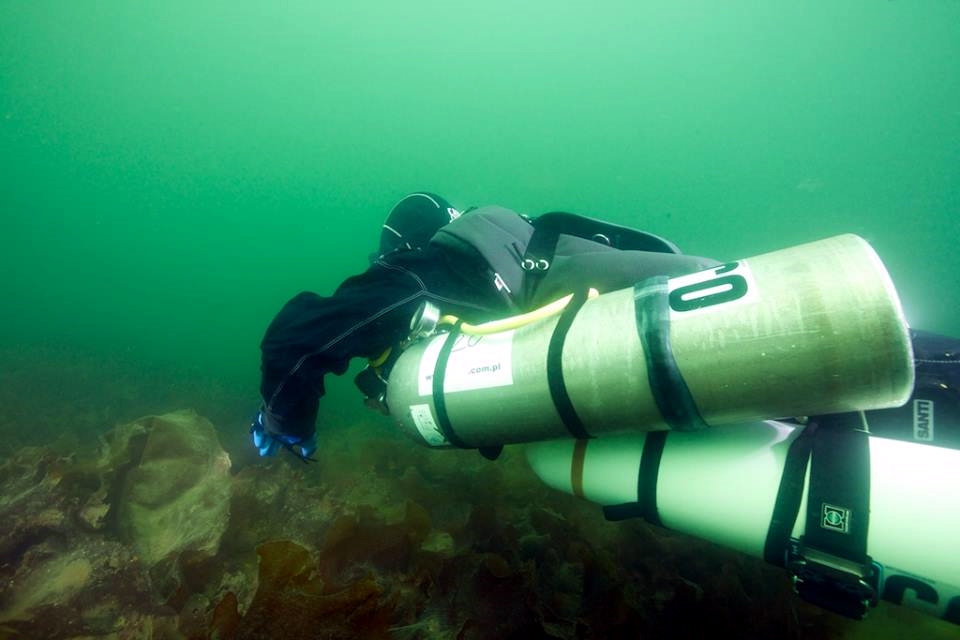
Worthington LP85s in proper trim
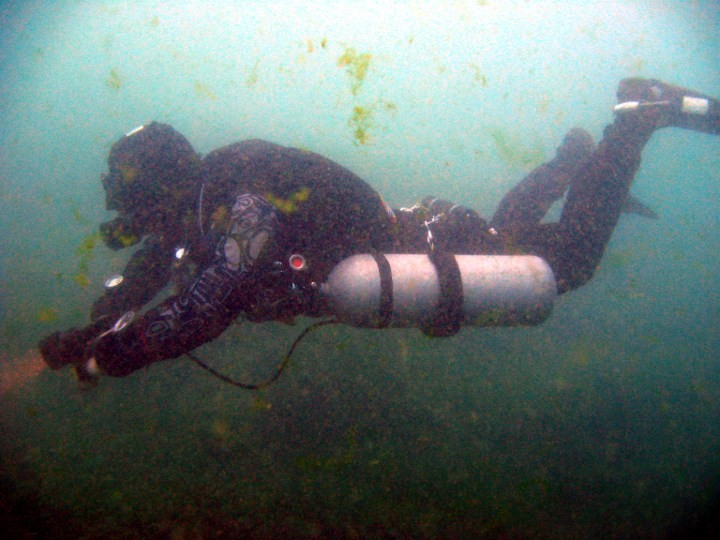
Faber LP85s in proper trim
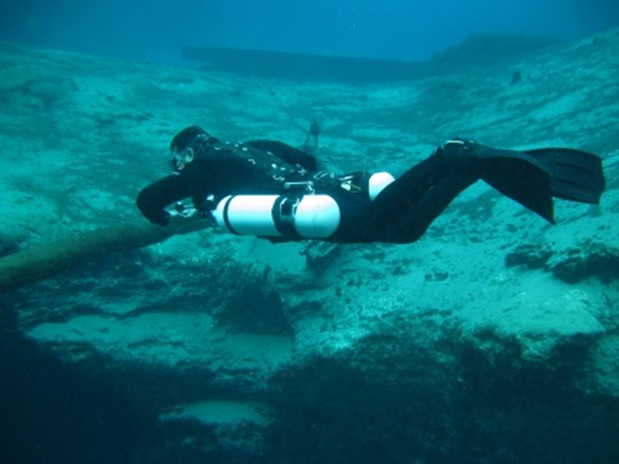
Faber LP95s in proper trim
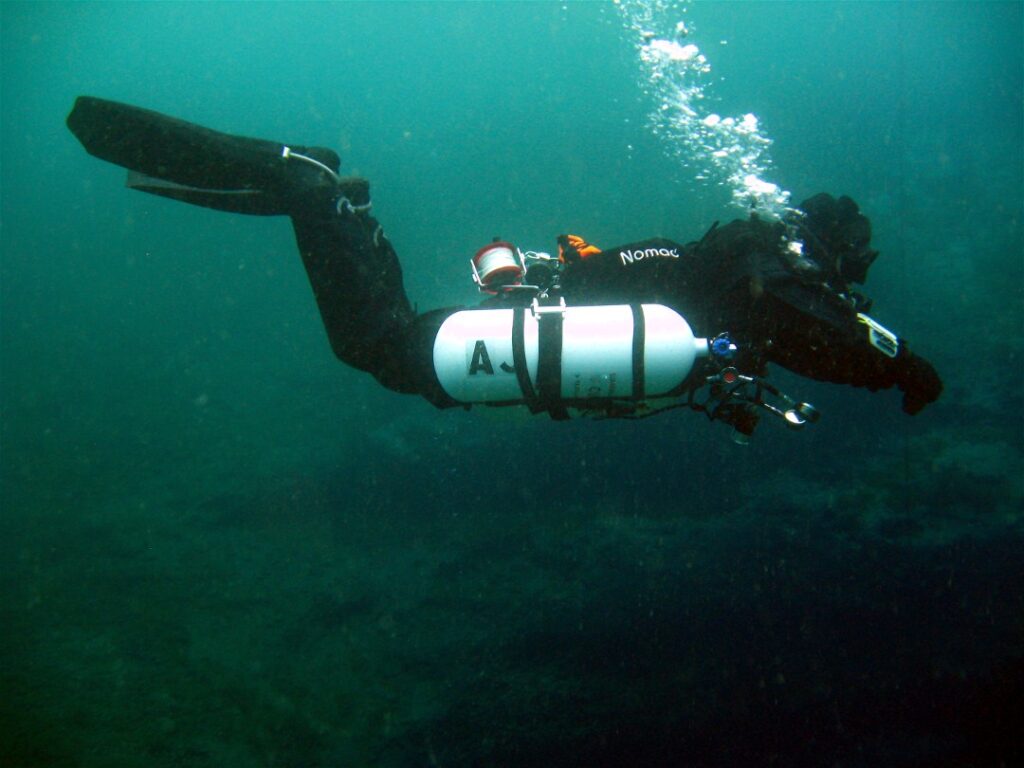
AL80s in proper trim
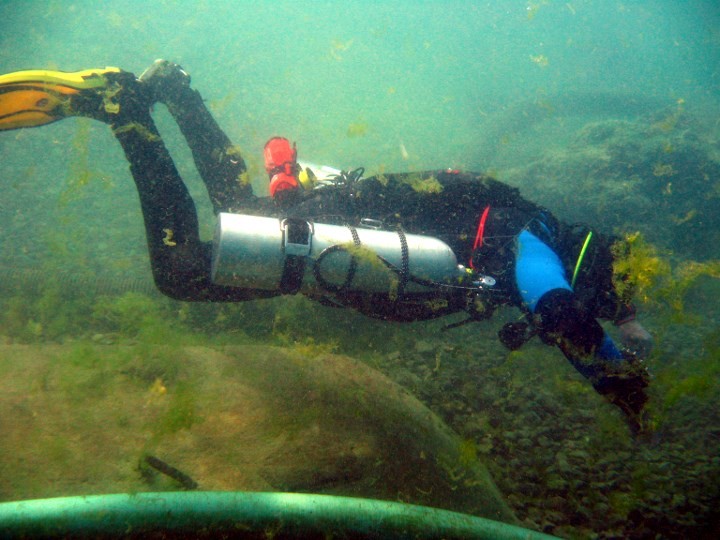
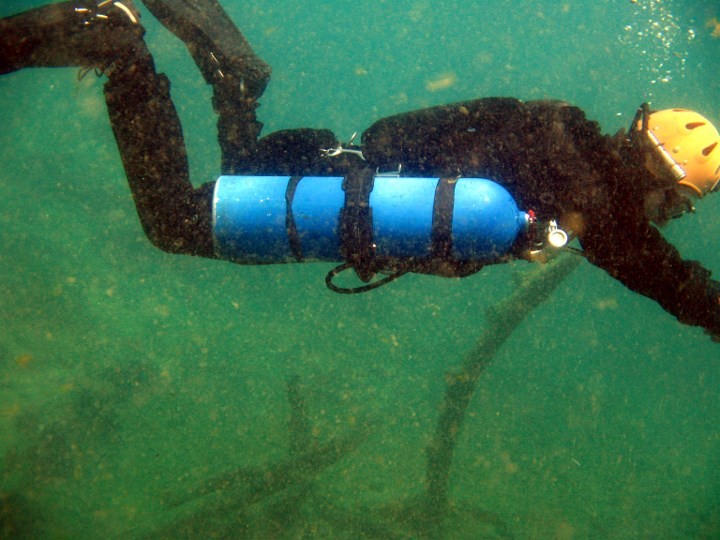
Properly trimmed stage bottle
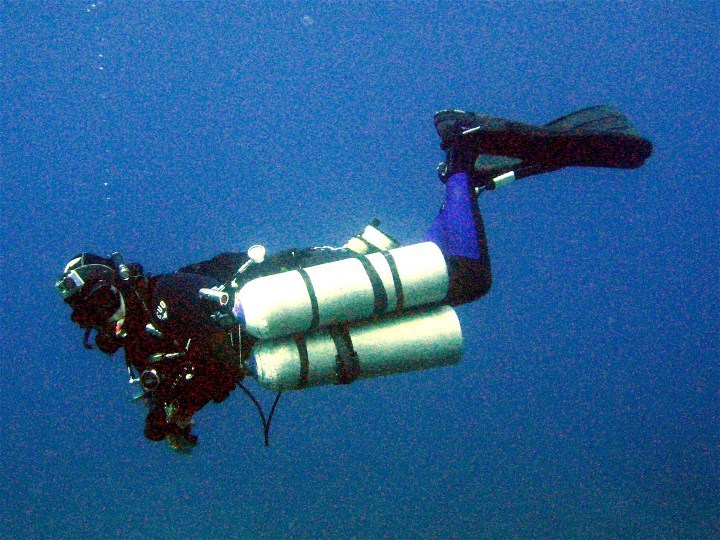
Pushing one of the cylinders forward
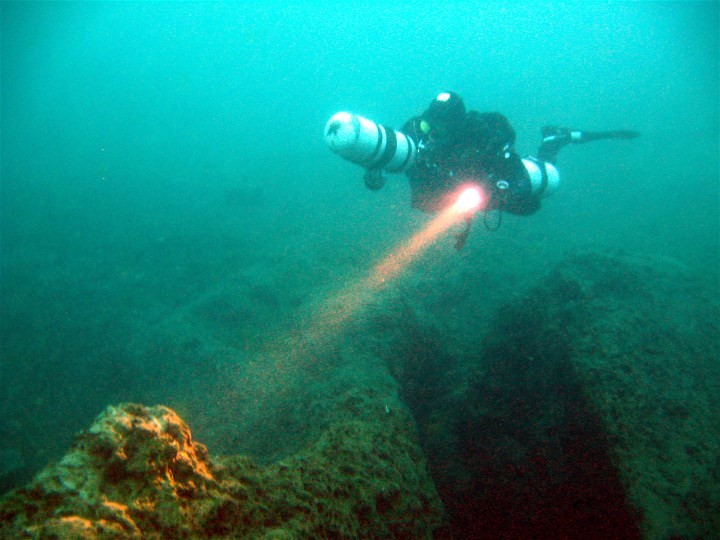
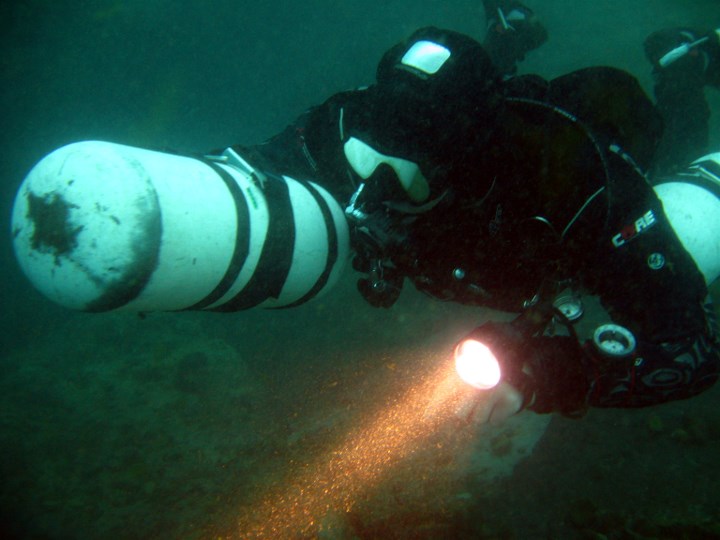
Pushing both cylinders forward
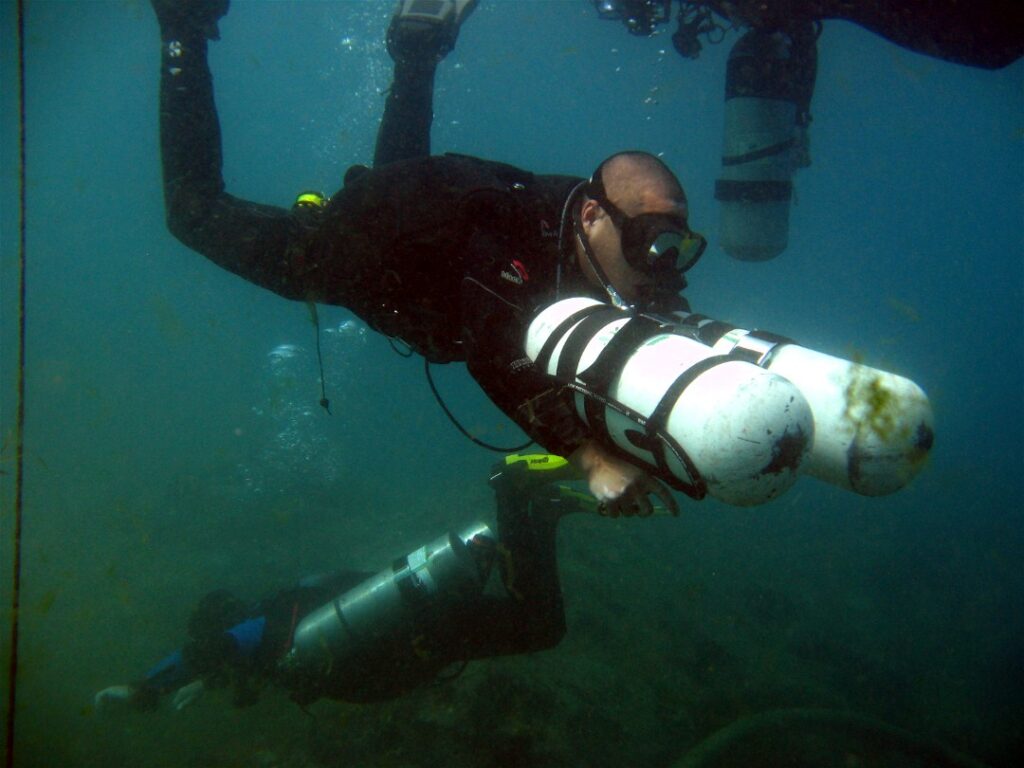
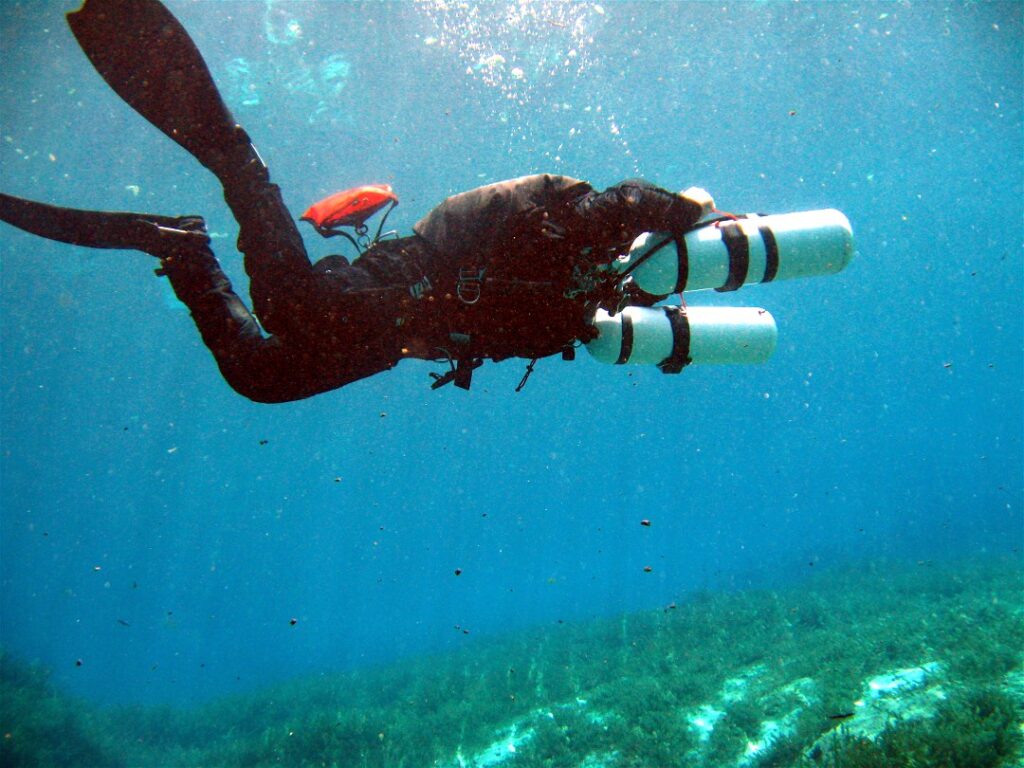
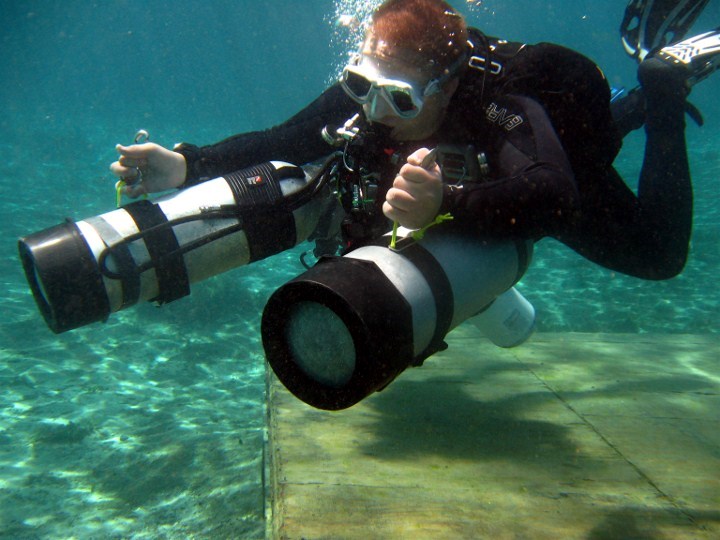
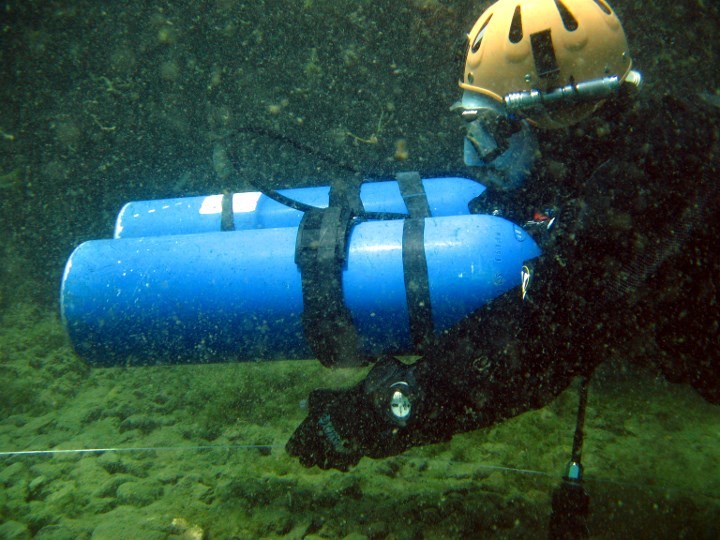
Some photos of Faber cylinders out of trim
The PST 100 in the top photo is only slightly out of trim. What’s happening is because the cylinder has more weight in a smaller area it trims itself out in a horizontal position. In turn, this pushes the diver out of trim. We dropped the bottom of the cylinder slightly and tightened up the bungees to adjust the cylinder and get the diver back to a horizontal position.
The Faber LP85s in the middle photo are at a pressure of about 2000 psi. Faber LP85s begin to rotate and rise when they reach about 2400 psi. These provide a bit of a challenge to correct, but it can be done.
The Faber LP95 in the bottom photo is down to about a pressure of 1100 psi. When the Faber LP95 gets down to about 1600 psi it starts to rise up like you see in this photo. This is why it’s important to manage your gas so you end your dive before you reach 1600 psi in these cylinders.
Why Fabers get out of trim at lower pressures
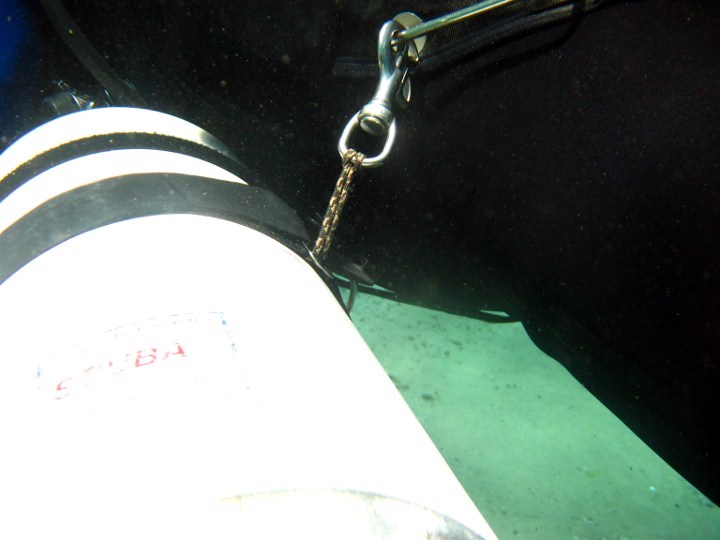
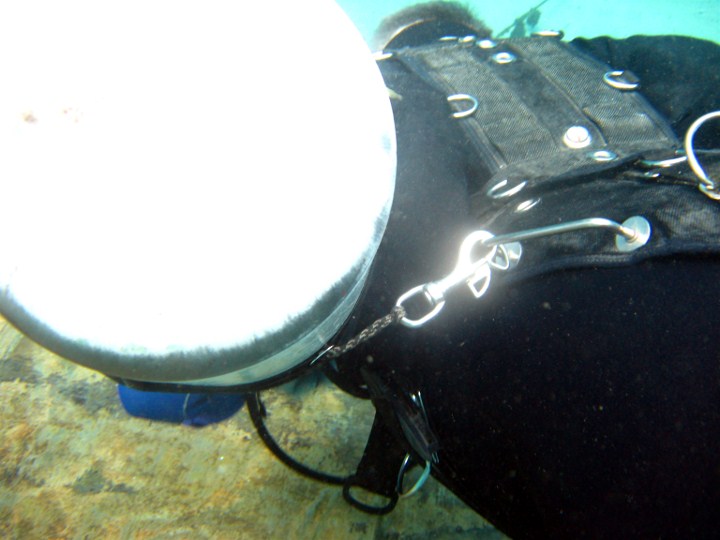
In the first photo is a Faber LP95 at the beginning of the dive. The weight of the gas in the cylinder is heavy enough to keep the cylinder pushed down at the rear attachment point.
In the second photo is the same Faber LP95 later in the dive with 1600 psi. Breathing gas from the cylinder has created a much lighter cylinder. As you can see the cylinder is no longer heavy enough to counteract the bungee and it rotates up so the bottom sticks up above the plane of the diver.
Some other issues you can encounter in sidemount
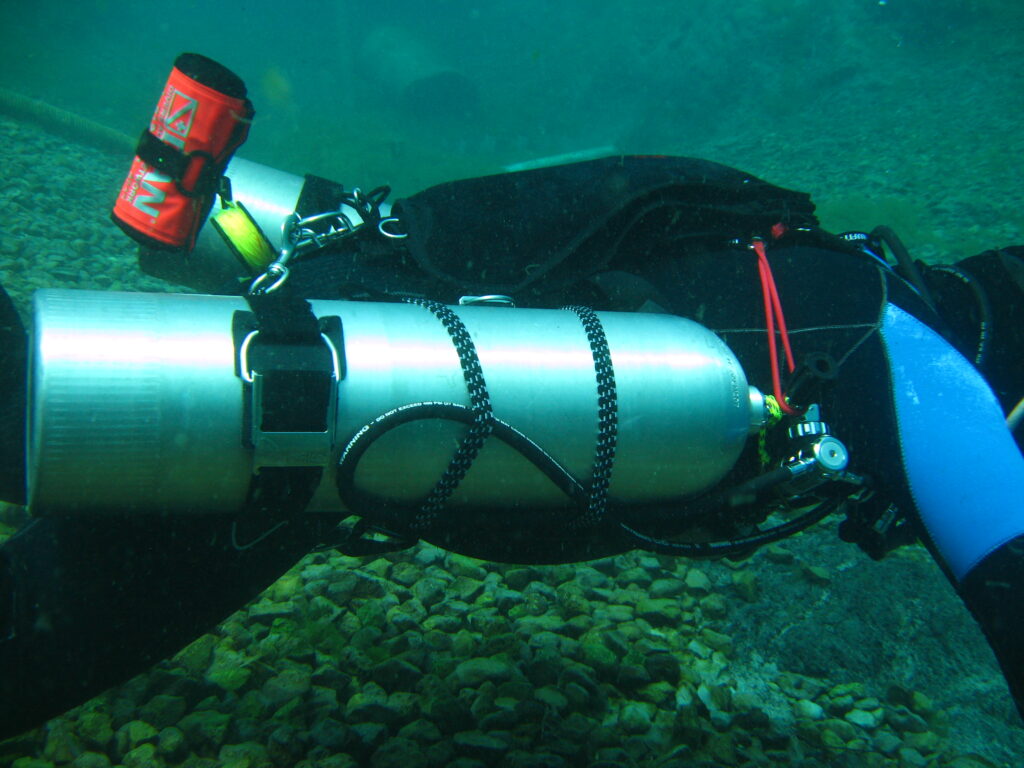
The first photo shows a stage cylinder in a poor position. The rigging in this photo is one that has been used by most sidemount divers for a few years. While the stage cylinder can be trimmed out nicely with this rigging at the beginning of the dive when it’s full, it doesn’t stay that way for long. As the gas in the stage cylinder is breathed down the cylinder gets lighter and causes the bottom to rise up.
The second photo shows a stock manufacturer’s wing with air in it. The diver is in a dry suit and using AL80s but still needs a little bit of air in the wing to keep him neutral. All of this air goes to the middle of the wing and pushes it up causing the gap you see. There is a way to fix this but it requires sewing in more tabs on this particular wing.
Cold water D ring
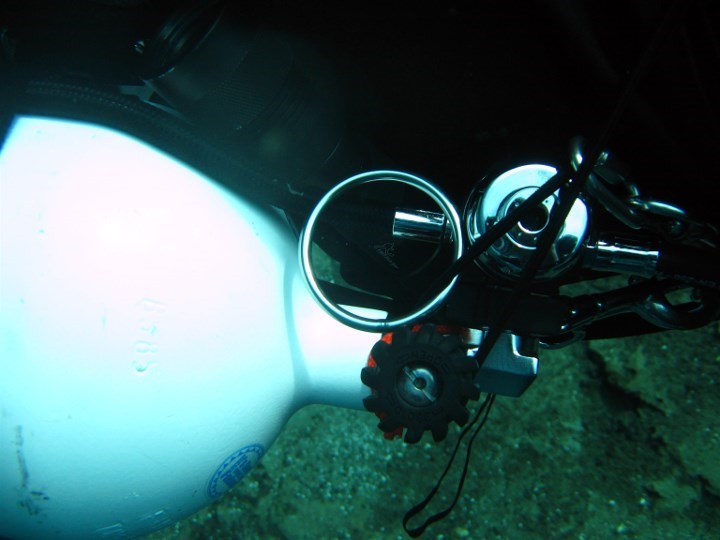
This is something we came up with a few years ago for cold water divers. The 2 inch diameter stainless steel ring you see here is useful for divers who wear dry gloves. The ring’s diameter allows the diver to slip a thumb through the center and use it to pull the bungee forward. The diver can then grab the bungee with the other hand and pull it over the valve. The ring also keeps the glove from getting trapped between the bungee and the valve.