

Monkey Diving: Single Cylinder Sidemount Diving Explained
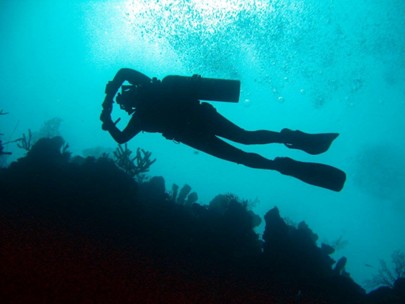
One of the take offs from sidemount diving is monkey diving. Monkey diving is described as diving with one sidemounted cylinder rather than two. Some also include a dive propulsion vehicle in this description, but this isn’t necessary for it to qualify. The origin of the phrase monkey diving isn’t known. Maybe it’s because you’re monkeying around in this configuration. Moving the cylinder from your back to your side and ridding yourself of that weight gives you a great feeling of freedom. It’s the closest thing to freediving, except with a cylinder.
This approach is sometimes used in situations where a diver wants the flexibility and equipment accessibility of sidemount but only requires a single cylinder for the dive. Although less common than traditional sidemount setups, monkey diving illustrates the adaptability of sidemount configurations.
Why Divers Use Single Cylinder Sidemount
Differences from Standard Sidemount
Trim Considerations
Equipment Considerations
Common Monkey Diving Setup Mistakes
Understanding the Flexibility of Sidemount
Free PDF Download
Whether you’re diving a single cylinder or a full sidemount configuration, proper setup affects trim, comfort, and efficiency.
Download The 10 Most Common Sidemount Configuration Mistakes including a configuration checklist and self-assessment worksheet.
Get the Free Guide →
✓ Includes Configuration Checklist
✓ Includes Self-Assessment Worksheet
✓ Instant Download
Why Divers Use Single Cylinder Sidemount
Not all dives require the redundancy of two cylinders. Some can easily be done with a single cylinder.
Situations in which monkey diving may be advantageous include:
- shallow exploration dives
- equipment familiarization
- specific logistical considerations
You might encounter some dive boats that won’t allow you to dive with two cylinders for one reason or another. If that’s the case, why use two? Take one cylinder with you and enjoy the freedom of nothing on your back while appeasing the boat captain and crew. Because the cylinder remains alongside the diver rather than on the back, the diver still benefits from the accessibility and flexibility that sidemount systems provide.
Differences from Standard Sidemount
Traditional sidemount configurations use two cylinders carried along both sides of the diver. This balanced arrangement helps maintain symmetry and simplifies gas management. With monkey diving, the diver carries only one cylinder, which changes the balance of the system.
Trim Considerations
It’s not necessary to employ the use of a counterweight when diving with a single sidemounted cylinder. Most aluminum 80 cf cylinders have a buoyancy shift of 4 pounds/1.8 kg. If you’re doing proper gas management, you should experience a shift of no more than 3 pounds/1.3 kg. When you dive with steel cylinders, you can get close to that much of a difference between cylinders just in breathing one-sixth of the gas from one cylinder before switching to the other one.
Divers interested in refining trim may find it helpful to review How to Trim Out in Sidemount.
Equipment Configuration
The equipment used for monkey diving often resembles a standard sidemount configuration, including a sidemount harness and attachment points that allow the cylinder to remain aligned with the diver’s body. However, the absence of a second cylinder means the diver must consider how the regulators will be set up so that two 2nd stage regulators are still available for use. This information is explained in detail in Sidemount Diving: The Almost Comprehensive Guide and Recreational Sidemount Diving: The Not So Comprehensive Guide.
Common Monkey Diving Setup Mistakes
- Cylinder riding too far forward
- Regulator hose routing conflicts
- Trim imbalance caused by the single cylinder
- Improper cylinder attachment point
Understanding the Flexibility of Sidemount
Monkey diving demonstrates one of the key advantages of sidemount diving: flexibility. Sidemount systems can be adapted to different environments and dive objectives by adjusting how cylinders are carried and managed. Understanding the principles of sidemount configuration helps divers adapt their equipment while maintaining stability and streamlining underwater.
For a broader overview of how sidemount systems are configured, see The Complete Guide to Sidemount Diving Configuration.
Divers experimenting with single-cylinder sidemount often find themselves wanting a deeper understanding of how sidemount systems function.
Readers of this article can receive $10 off the book Sidemount Diving or $5 off the book Recreational Sidemount Diving when purchasing directly from the website.
Use code MONKEY10 for the Sidemount Diving Guide and MONKEY5 for the Recreational Sidemount Diving Guide during checkout.
Free PDF Download
Enjoyed this article?
Download The 10 Most Common Sidemount Configuration Mistakes and get the configuration checklist and self-assessment worksheet.
Get the Free Guide →
✓ Includes Configuration Checklist
✓ Includes Self-Assessment Worksheet
✓ Instant Download
Related Articles
How to Properly Trim Out in Sidemount
Proper Sidemount Cylinder Rigging: What Matters Most